

As of 2019, most state pension funds had at least 65% of their assets in stocks and alternative investments such as private equity and real estate, again according to Pew.

04
Nov
As of 2019, most state pension funds had at least 65% of their assets in stocks and alternative investments such as private equity and real estate, again according to Pew.

The crux of it is, while some major metros rely heavily on one major industry – auto manufacturing in Detroit, leisure and hospitality in Orlando, oil in Houston, et cetera – Dallas’ job market is robust on multiple fronts, making labor an especially stout pillar of the local economy.

All recessions are different and stem from different underlying causes. As a result, the impact of a recession on CRE varies according to the cause, duration and severity of the downturn.

Within the past year, eye-popping home prices and a rapidly increasing mortgage rate have shut more and more people out of the homebuying market within the past several months, pushing more people to rent for longer.

The impact of the 2 percentage point hike between late December of 2021 and mid-April of 2022 was equivalent to a breathtaking 27% jump in the cost of buying a home, per the Harvard housing study.

The #1 location for population growth was Georgetown, Texas, located within the high-growth Austin metro – one of CONTI Capital’s target markets for multifamily asset acquisitions.

A shortage of housing supply was already making home buying less affordable prior to the COVID-19 pandemic, and then months of quarantine only exacerbated people’s desire to spread out into larger living spaces, expanding housing demand.

This higher ratio value is fueled by a tight labor market, causing the demand for labor to press upward on the demand for housing. This is true in all the major metropolitan areas that CONTI tracks.

In the year ending in 1Q2022, total U.S. employment was up by 6.7 million jobs compared to the year ending 1Q2021, a period that included the worst months of the pandemic’s impact on the labor market.
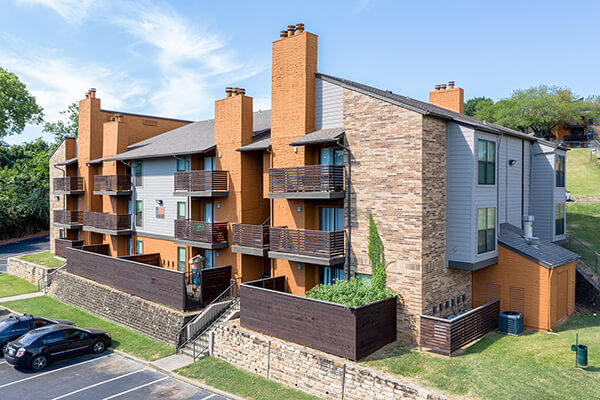
Based on this data and further breakdowns by our experts, CONTI believes that the multifamily market harbors strong fundamentals, and vacancy rates will remain low relative to historical norms despite a swell of expected construction deliveries.