

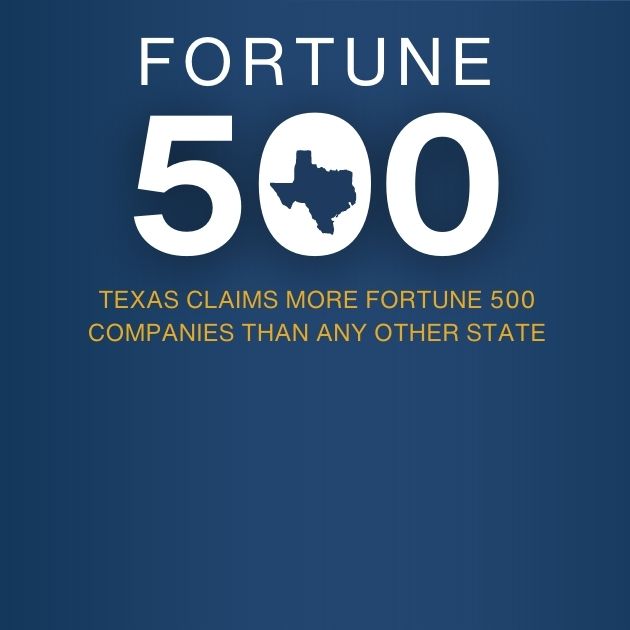
Demonstrating its economic preeminence, the state of Texas is home to more Fortune 500 headquarters than any other state in the U.S., according to the updated list released by Fortune in June 2023.
22
Jun
Demonstrating its economic preeminence, the state of Texas is home to more Fortune 500 headquarters than any other state in the U.S., according to the updated list released by Fortune in June 2023.

To say a property falls “below replacement cost” refers to the idea that if that existing property were built from scratch today, it would be more expensive to develop given significantly higher construction costs, including land, building materials, labor, and permitting. Therefore, when acquiring a commercial property at a significant discount to replacement cost, investors can potentially be afforded a safety margin and a competitive edge, all else being equal.

Remote work is having an outsized impact on office real estate, bringing down rents and occupancy across most markets, according to Green Street Advisors – a decline which is expected to continue into the foreseeable future.


Last week, the Bureau of Labor Statistics reported 236,000 jobs added to U.S. payrolls in March, which, while lower than economists had expected, is still indicative of the resilience of the labor market.

CONTI Capital’s approach to multifamily investment favors markets with flourishing industry clusters, as they tend to be associated with higher levels of productivity, innovation and a skilled workforce. Texas’ energy sector is one of the oldest industry clusters in the U.S., and although the oil and gas industry tends to move in line with oil prices, we believe the industry can be a critical component of a thriving regional economy.
The shifting landscape of housing in America has far-reaching implications for commercial real estate (CRE), and very direct impacts on multifamily real estate. This piece provides a brief history of how we got to the current housing situation, and lays out the ongoing consequences for multifamily.

As of 2019, most state pension funds had at least 65% of their assets in stocks and alternative investments such as private equity and real estate, again according to Pew.

This higher ratio value is fueled by a tight labor market, causing the demand for labor to press upward on the demand for housing. This is true in all the major metropolitan areas that CONTI tracks.
In the year ending in 1Q2022, total U.S. employment was up by 6.7 million jobs compared to the year ending 1Q2021, a period that included the worst months of the pandemic’s impact on the labor market.